
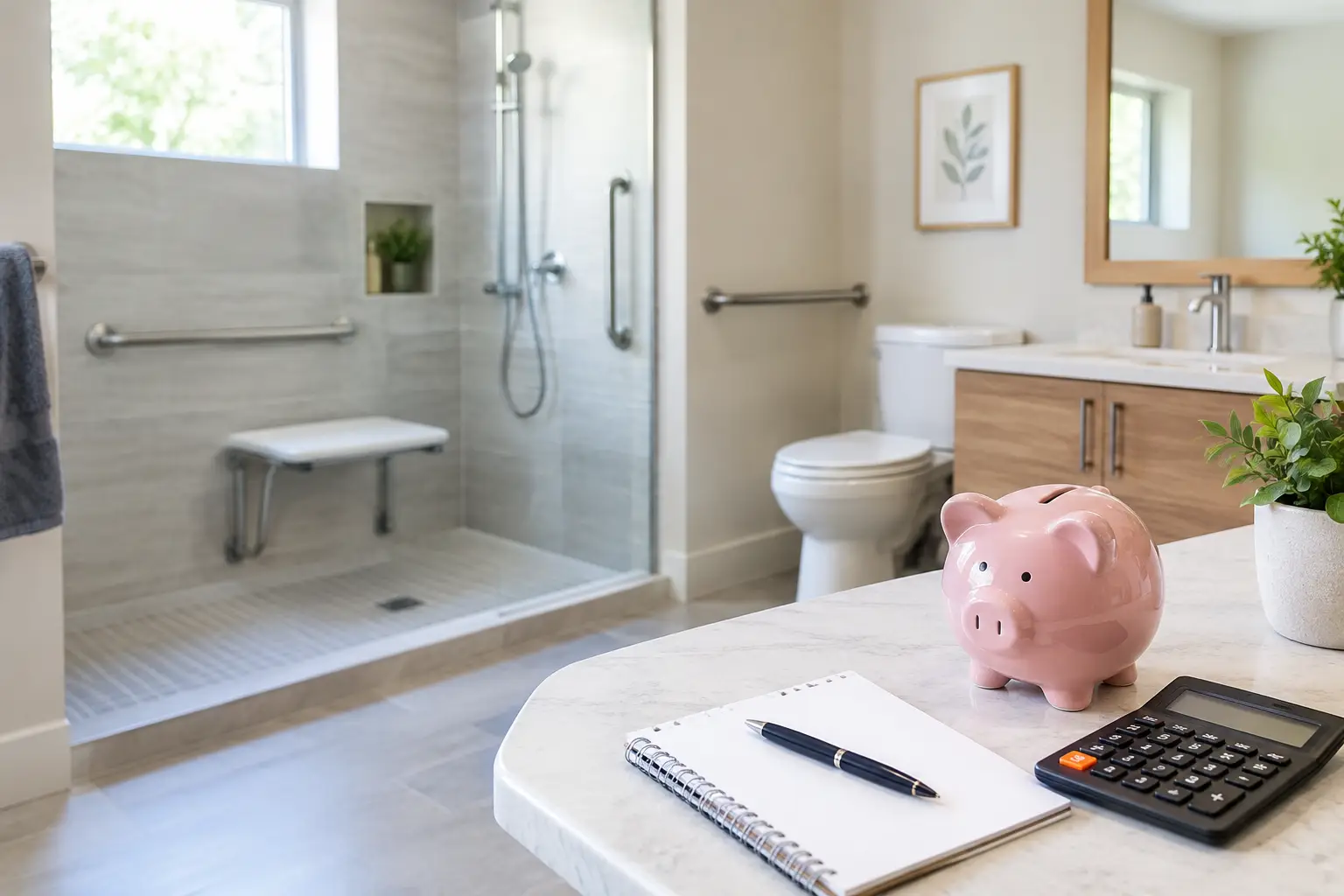
A bathroom can become difficult long before it becomes unusable. Maybe stepping over the tub wall now requires a hand on the counter. Maybe a spouse is recovering from surgery, or an adult child has started worrying about a parent bathing alone. A guide to accessible bath financing can help turn that concern into a practical plan, without rushing into a decision or treating a safer bathing upgrade like a one-size-fits-all purchase.
For many Las Vegas and Henderson homeowners, the goal is straightforward: stay comfortable and independent at home while making daily bathing easier. The question is how to budget for an accessible bathing solution in a way that fits the household, the home, and the reason for making the change.
Why accessible bath financing deserves careful planning
A sit-in bath is more than a replacement fixture. It is a customized bathing solution that may involve removal of the existing tub, plumbing adjustments, electrical considerations, wall work, and professional installation. The final scope depends on the bathroom's layout, the condition of existing systems, and the features that make sense for the person using it.
That is why it helps to understand the whole project before comparing financing options. Choosing based only on a monthly payment can leave out key questions: What is included in the installation? Are there financing fees? How long will the payment period last? Is there a penalty for paying early? Will the proposed bath still work well if mobility needs change?
Planning ahead can also be less stressful than waiting until bathing has become a daily struggle. Not every homeowner will develop significant mobility limitations, but a bath designed for changing needs can prevent the expense and disruption of another major bathroom update later.
What you are financing with a walk-in tub project
The term walk-in tub is widely used, but Secure Bath refers to its primary product as a sit-in bath. Its design addresses one of the most difficult parts of conventional bathing: stepping over a high tub wall while standing on a potentially wet surface.
A sit-in bath allows the user to open a 180-degree outswing door, sit down first, then close the door from a stable seated position. The low entry threshold, built-in seat, grab bars, and slip-resistant surfaces work together to make the bathing routine feel more manageable. The durable aluminum door and frame are especially meaningful because the door is a frequently used part of the bath, not a decorative detail.
When reviewing a proposal, make sure it clearly explains the full installation scope and the bath features included. Depending on the selected configuration, a project may account for the unit itself, removal of the existing tub, plumbing and electrical work where needed, wall finishing, installation labor, and any selected comfort features. A clear proposal makes it easier to compare financing choices accurately.
Start with the right bathing solution
Financing a bath that does not fit the user's needs is not a good value, even if the payment looks manageable. Before discussing payment options, think about who will use the bath most often and what creates difficulty now.
Someone with balance concerns may value the ability to sit before closing the door. A wheelchair user may need careful consideration of doorway access, transfer space, and how the outswing door will operate in the room. A homeowner planning for the future may prioritize durable materials and a layout that supports independence without making the bathroom feel institutional.
During an in-home consultation, the bathroom should be measured and the user's normal routine discussed. This is also the time to ask whether the 180-degree door has sufficient clearance to open comfortably. A feature that improves access needs room to perform as intended.
Common accessible bath financing options
There is no single financing route that is right for every household. The practical choice depends on savings, credit profile, income stability, how quickly the project is needed, and personal comfort with debt. These are common ways homeowners may fund a sit-in bath project.
Savings or a planned home improvement budget
Paying from savings avoids interest and ongoing lender payments. For a homeowner who has already set aside funds for aging-in-place updates, it can be the simplest path.
The trade-off is liquidity. It is wise not to drain emergency reserves for a bathroom improvement, even one that has clear day-to-day value. Consider what remains available for routine home repairs, healthcare expenses, and other unexpected needs after the project is complete.
Contractor-arranged financing
Some accessible bath providers may offer financing through a third-party lender. This can be convenient because the application and project conversation happen in one place, but convenience should not replace careful review.
Ask for the annual percentage rate, the number of payments, whether the rate is fixed or promotional, and what happens if the balance is not paid within a promotional period. Also ask whether there are origination charges, late fees, or prepayment penalties. Approval and terms vary by applicant, so avoid making a decision based on an advertised payment alone.
A local, no-pressure consultation should give you space to take the details home, compare them with other options, and decide on your timeline.
Home equity borrowing
Homeowners with substantial equity sometimes consider a home equity loan or home equity line of credit. These options may offer repayment terms that suit a larger home improvement, but the home serves as collateral. That makes the decision more consequential than using savings or an unsecured loan.
A loan generally provides a set amount with a defined repayment schedule, while a line of credit can offer more flexibility. The better fit depends on the lender's terms and whether the full project cost is known. Because rates, fees, and underwriting requirements differ, it is worth speaking with a trusted financial professional before using home equity for any renovation.
Personal loans or credit union loans
An unsecured personal loan does not use the home as collateral. It may be a practical option for homeowners who want a predictable payment schedule without tapping home equity. Credit unions can be worth considering alongside banks and other lenders, particularly for members who prefer local service.
Compare the total repayment amount, not just the monthly payment. A lower payment can sometimes mean a longer term and more interest over time. Read the agreement carefully before signing.
Credit cards and short-term promotions
A promotional credit offer can appear attractive for a portion of a project, especially when a homeowner expects to pay the balance quickly. It becomes less attractive if the balance remains after the promotional period or if the regular rate is high.
This route may work for a limited, planned expense with a realistic payoff schedule. It is usually not the right choice simply because it is immediately available. The goal is a bathing upgrade that brings peace of mind, not a payment that creates new pressure.
Questions to ask before accepting a financing offer
Bring a notebook to the consultation and write down the answers. If a lender or provider cannot explain the terms in plain language, pause before proceeding. These questions help keep the conversation grounded:
- What is the full project scope, and which installation items are included?
- What is the annual percentage rate, repayment term, and total expected repayment?
- Is the interest rate fixed, variable, or promotional?
- Are there application, origination, late-payment, or early-payoff fees?
- When does repayment begin, and how are payments made?
- What happens if installation timing changes because of conditions found in the home?
These details matter just as much as the style of the bath. A good financing decision should be understandable on paper and comfortable in the household budget.
Look beyond the payment when weighing value
It is reasonable to think about cost. It is also reasonable to consider what a sit-in bath may change in everyday life: less effort getting into the bathing area, a stable seated position while bathing, and more privacy for someone who prefers to manage personal care independently.
The value may be especially clear for a homeowner who intends to remain in the same Las Vegas Valley home for years. Rather than completing a basic remodel now and revisiting the bathroom after a change in mobility, some households choose to plan once for changing needs. That does not mean selecting every available feature. It means selecting the features that solve the real problem.
For example, hydrotherapy may matter to one buyer, while another cares most about the low threshold, secure seating, and the 180-degree outswing aluminum door. A thoughtful recommendation should match the solution to the person, not force the person to adapt to a standard package.
A practical next step for Las Vegas homeowners
Before applying for financing, request a detailed in-home assessment and take time to review the proposed solution. Measure the decision by everyday usability, installation clarity, and a payment arrangement your household can sustain. That approach supports the real purpose behind accessible bathing: No Step. No Slip. No Stress.
If you are weighing a sit-in bath for yourself, a spouse, or a parent, use the “Got Questions? Ask Away!” chat and schedule a free in-home consultation to talk through the bathroom, the options, and financing questions at your own pace.
Questions about walk-in tubs? Ask away
Free in-home consultation: call (702) 789-7780
Get a free quote →