
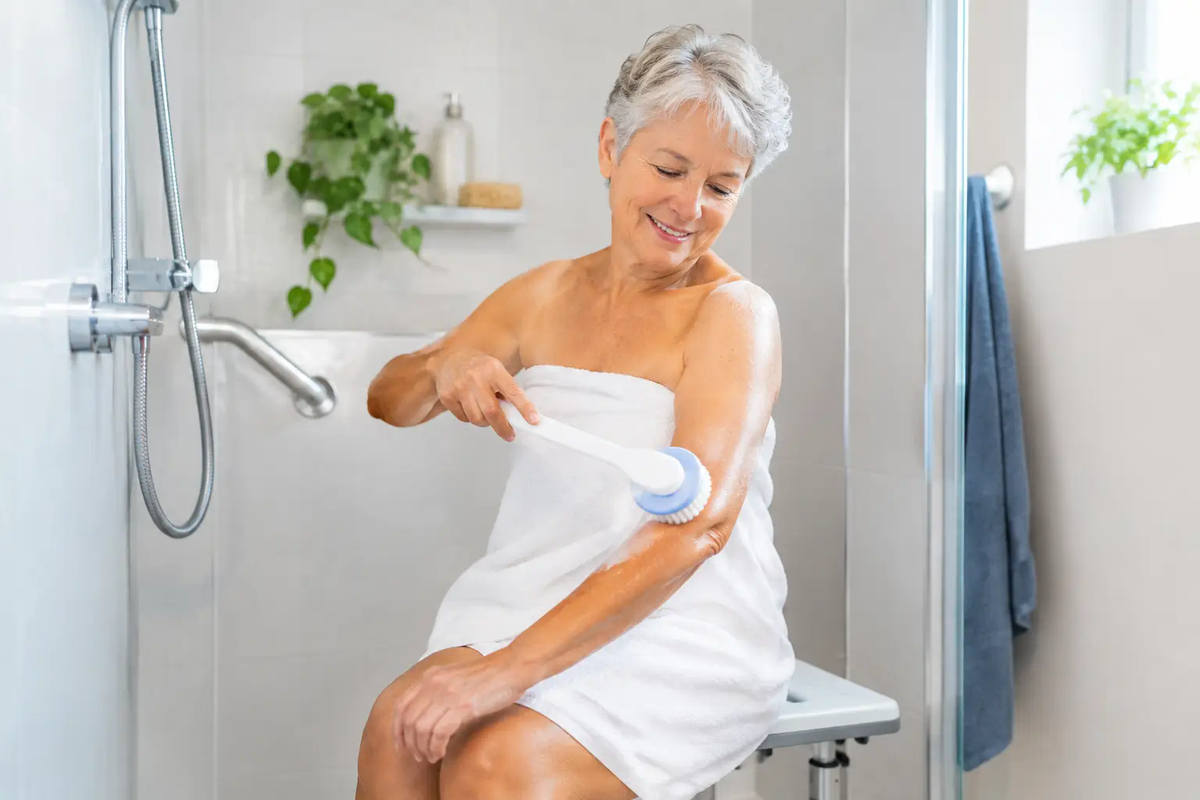
A bathtub wall that once felt ordinary can become the hardest part of a daily routine. When stepping over it requires a hand on the counter, a careful turn, or help from a spouse, it is time to consider how to improve bathing independence in a way that preserves privacy and comfort. The goal is not to make a bathroom look clinical. It is to make bathing work better for the person using it.
For many homeowners, the answer is not a complete whole-home remodel. A few thoughtful changes can make a meaningful difference, while a sit-in bath or walk-in tub may offer the most practical long-term solution when stepping over a tub wall is the central problem.
Start With the Part of Bathing That Feels Difficult
Bathing independence means being able to get into the bathing area, sit or stand comfortably, wash, and get back out with as little assistance as possible. The right solution depends on where the difficulty begins.
Some people mainly struggle with balance while standing in a wet shower. Others can stand but cannot safely lift a leg over the side of a conventional tub. A person recovering from knee, hip, or back surgery may need a temporary change, while someone planning to remain in their Las Vegas or Henderson home for years may prefer an option that will continue to fit changing needs.
It helps to look at the full routine rather than focusing only on the tub. Consider how easily the bathroom door opens, whether there is room to turn with a walker, where towels and soap are placed, and whether the floor becomes slick after a shower. Small frustrations often reveal the real obstacle.
Ask These Everyday Questions
Can the person enter and exit without rushing or balancing on one foot? Is there a stable place to sit? Are grab bars available where hands naturally reach, rather than where there happened to be open wall space? Does a caregiver need to be present for a task the homeowner would rather handle privately?
The answers point toward the level of change that makes sense. A securely installed grab bar and shower seat can help in one situation. In another, no amount of careful movement solves the basic challenge of stepping over a high tub wall.
How to Improve Bathing Independence With Safer Access
The most effective accessible bathing improvements remove unnecessary steps from the routine. That may mean replacing a traditional tub with a walk-in shower, adding seating and grab bars, or choosing a sit-in bath that allows the user to enter through a low threshold and sit down before bathing.
A Secure Bath sit-in bath is designed around this sequence. Its 180-degree outswing door opens fully outward, so a user can approach, turn, and sit down before closing the door. That differs from a conventional bathtub, where the user has to step over a wall while standing and then lower themselves into the tub.
The door’s durable aluminum door and frame matter for everyday use. They provide a solid, practical entry system while the wide opening gives users and caregivers more room to move. For someone using a wheelchair or walker, or someone who simply finds tight bathroom movements uncomfortable, that additional access can be more valuable than a feature that only looks impressive in a showroom.
Once seated, built-in seating, grab bars, and slip-resistant surfaces help create a more controlled bathing experience. These features do not guarantee that falls or injuries will never happen. They can, however, reduce the need for awkward movements that make bathing feel uncertain.
Choose the Right Bathing Setup for Your Needs
There is no single best accessible bathroom choice. A walk-in shower may be ideal for a homeowner who prefers showering and needs an open, low-entry space. A curbless or roll-in shower can be especially useful when wheelchair access is a priority, although drainage, floor slope, and bathroom layout need careful planning.
A sit-in bath is often a better fit for people who want the comfort of soaking but no longer feel comfortable stepping into a standard tub. It combines a low entry with a seated bathing position. For some homeowners, this feels familiar and relaxing while also making entry and exit more manageable.
A tub-to-shower conversion may make sense when soaking is not important and speed is the priority. On the other hand, removing the only bathtub in a home is a decision worth considering carefully, particularly for resale preferences or family use. The best choice balances today’s needs, likely future needs, available space, and personal bathing habits.
Do Not Overlook Seating and Grab Bars
A shower chair or built-in bench can make a shower less tiring, particularly after surgery or during periods of reduced stamina. It should be stable, properly sized, and positioned so the controls and showerhead remain easy to reach.
Grab bars should be professionally anchored into suitable wall structure, not attached with suction cups or installed solely where they are visually convenient. One near the entry and another near the seating or standing area often make more sense than a single bar across the room. The exact placement should match how the homeowner actually moves.
Handheld showerheads can also support independence because they let a seated person direct water where needed. Pairing one with easy-to-use controls and reachable storage prevents the common problem of stretching, twisting, or standing up repeatedly to retrieve bath products.
Plan Once for Changing Needs
Many families begin researching accessible bathing after a close call, an injury, or a difficult recovery. That is understandable, but planning ahead often gives homeowners more choice and less pressure. A bathroom can be updated because it is becoming inconvenient, not only because it has become unmanageable.
This does not mean assuming everyone will lose mobility. It means recognizing that a home should be able to support its owner through ordinary changes, whether that is a temporary recovery, arthritis flare-up, new balance concern, or the desire to age in place without another major remodel later.
A well-chosen sit-in bath can be part of that plan. Instead of asking a homeowner to keep stepping higher or moving faster, it changes the bathing process itself: open the door, step across a low threshold, sit, close the door, and bathe in a supported position. That is the practical meaning behind “No Step. No Slip. No Stress.”
Consider Installation, Layout, and Cost Honestly
Accessible bathing costs vary because bathrooms vary. The size and condition of the existing space, plumbing location, electrical needs, wall repairs, flooring, and the bathing solution selected all affect the project. A simple shower-seat installation is very different from replacing a traditional tub with a fully featured sit-in bath.
It is reasonable to ask what is included in a quote. Homeowners should understand the product, removal of the old tub or shower, plumbing work, installation, any needed wall or floor finishing, and how the completed bathroom will function. Clear answers are more useful than a vague starting price that leaves major work unaddressed.
A free in-home consultation is valuable because measurements alone do not tell the whole story. The installer can see door clearances, existing tub placement, wall conditions, and how the homeowner enters the space. Secure Bath provides owner-led, no-pressure consultations in Las Vegas, Henderson, and surrounding Las Vegas Valley communities so recommendations can be based on the home and the person, not a one-size-fits-all package.
Involve the Person Who Will Use the Bathroom
Adult children and caregivers often start the conversation because they notice a parent struggling. Their concern is understandable, but the person bathing should be central to every decision. Ask whether they prefer a bath or shower, whether they want to sit, what feels difficult now, and what would make the room feel comfortable rather than restrictive.
Independence is not only about completing a task alone. It is also about having choices, maintaining routines, and feeling at ease in a private space. The right accessible bathing solution respects all three.
If bathing has become a source of hesitation, do not wait for the bathroom to dictate the next step. A practical conversation about access, seating, and the right bathing setup can help keep home feeling like home.
Questions about walk-in tubs? Ask away
Free in-home consultation: call (702) 789-7780
Get a free quote →