
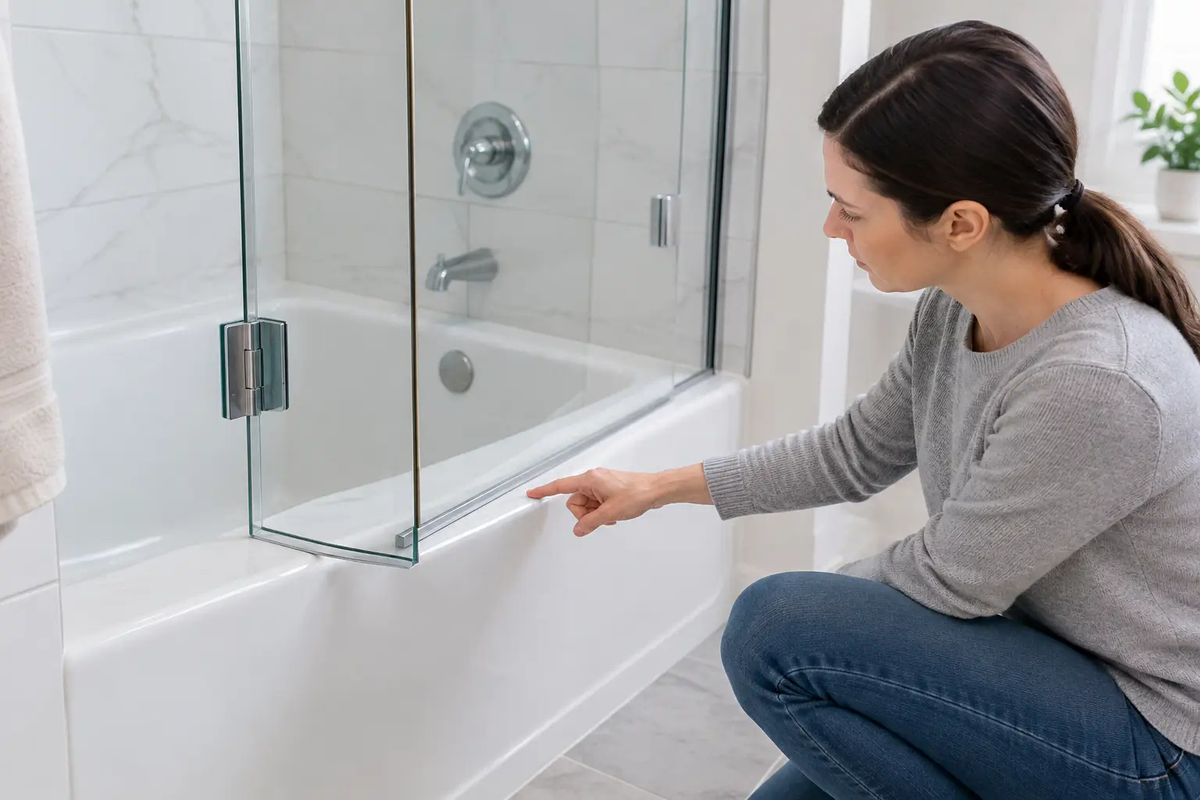
A bath door can look substantial and still raise a reasonable question: do outswing bathtub doors leak? The short answer is no - not when the door, seal, locking system, and installation are designed to work together. An outswing door does require thoughtful engineering, however. Its watertight performance depends on more than the direction it opens.
For many Las Vegas and Henderson homeowners, an outswing door is appealing because it lets the bather sit down first, then close the door from a stable seated position. That can make a major difference for someone who finds it difficult to step over a conventional tub wall, is recovering from surgery, uses a wheelchair, or simply wants to plan ahead for changing needs.
Why an Outswing Door Can Stay Watertight
A traditional walk-in tub or sit-in bath door holds back a large amount of water. Water pressure naturally pushes against the door while the bath is filled. With an inward-swinging door, that pressure can help press the door against its gasket. An outswing door works differently: its frame, latch, hinges, and seal must create reliable compression before water is added.
That is why the door itself should never be viewed as a simple bathroom door. It is part of a complete water-containment system. When the latch closes properly, the gasket is clean and correctly positioned, and the door is aligned with the frame, the seal is designed to keep bathwater inside the unit.
Secure Bath's sit-in bath uses a 180-degree outswing door with a durable aluminum door and frame. The wide opening is meant to make entry and exit more manageable, particularly for people who cannot comfortably maneuver around a narrow inward-swinging door. The aluminum construction also provides a stable, durable structure for the door and sealing surfaces.
The Difference Between a Door Leak and Water Outside the Bath
Not every wet bathroom floor means the door leaked. This distinction matters when comparing accessible bathing options.
With any walk-in tub or sit-in bath, the user generally needs to remain seated until the tub has drained. Opening the door while water is still in the bathing area can allow water to flow onto the floor, regardless of whether the door swings inward or outward. A properly installed unit should drain as intended, but homeowners should understand this part of the bathing routine before choosing a model.
Water can also reach the floor from a shower attachment, wet hands on a grab bar, a towel placed too close to the bath, or ordinary splashing. A qualified installer can help identify where the moisture is coming from instead of assuming the door seal has failed.
What Can Cause an Outswing Bathtub Door to Leak?
An outswing door is not supposed to leak during normal use. When leakage does occur, it is usually tied to a specific condition that can be inspected and addressed.
A dirty, worn, or displaced gasket
The gasket is the flexible seal around the door opening. Soap residue, hair, mineral buildup, or a folded section of gasket can interfere with a tight seal. Southern Nevada's hard water can leave deposits over time, so gentle routine cleaning is especially useful.
A gasket can also wear out after years of use. If it is cracked, flattened, torn, or no longer sitting evenly in place, it may need adjustment or replacement. Avoid harsh cleaners and abrasive scrubbing pads unless the manufacturer specifically approves them, since those can damage sealing materials.
Door alignment or latch adjustment
The door must meet the frame evenly all the way around. If a latch is not fully engaged, hinges need adjustment, or the door has been forced closed against an obstruction, the seal may not compress evenly.
Homeowners should not need to slam or wrestle with the door. Close it according to the operating instructions, check that clothing or a bath mat is not caught near the opening, and make sure the latch is fully secured before filling the bath. If the door suddenly feels different or no longer closes smoothly, it is worth having it checked rather than continuing to force it.
An uneven or poorly supported installation
A bathing unit needs a stable, level base. If the floor beneath it is not properly prepared or supported, the unit can shift slightly over time. Even a small change can affect how a door aligns with its frame.
This is one reason professional installation matters. The work is not limited to placing the bath in a room. It includes assessing the existing space, plumbing connections, drainage, wall conditions, and the floor that will carry the bath's weight when it is occupied and filled with water.
Water pressure or drainage issues
Very high water pressure, slow drainage, or a plumbing issue will not usually create a door-seal leak by themselves, but they can make bathing less convenient or reveal a separate problem. A slow drain means a person must wait longer before opening the door. For someone with limited mobility, that wait should be considered during the planning process.
During an in-home consultation, it is helpful to ask about expected fill and drain performance in your specific home. The answer depends on the home's plumbing, not just the bath selected.
Outswing Doors and Safety: The Practical Trade-Off
The main advantage of an outswing door is access. A 180-degree door can open wide, giving a person room to approach the seat, turn, and sit before closing the door. For a caregiver assisting a spouse or parent, that additional room may also make the process more comfortable.
The trade-off is that the door swings into the bathroom. The room needs enough clear floor space for the door to open safely without striking a vanity, toilet, or other obstacle. In a tight bathroom, an outswing door may require a different layout or may not be the best fit.
That is why there is no single “best” door direction for every homeowner. An inward-swinging door may suit a compact room. An outswing door may be more practical for a person who needs the widest possible entry. The right answer comes from looking at the bath user, the existing bathroom, and how bathing happens day to day.
Simple Habits That Help Protect the Door Seal
Proper care is straightforward and can support the long-term performance of an outswing bath door:
- Wipe the gasket and door edge dry after bathing, especially if soap or bath products have collected there.
- Check that the seal is seated evenly before closing the door.
- Close and latch the door gently but completely. Do not force it.
- Keep bath mats, towels, and clothing away from the door opening.
- Report a change in alignment, a damaged gasket, or recurring moisture promptly.
These steps are not complicated, but they are worthwhile. A clean, correctly aligned door is more likely to work as intended and is easier to inspect when something changes.
Questions to Ask Before Choosing a Sit-In Bath
If an outswing door is a priority, ask the installer to show you how it closes, latches, and seals. Sit in the bath if possible. Notice whether you can approach the seat comfortably, whether the door clears the room, and whether the controls are within easy reach once you are seated.
Also ask who will install the unit, what preparation your bathroom may need, and how service questions are handled after installation. A local, owner-led consultation can be particularly valuable because the recommendation can reflect the dimensions and plumbing in your actual home, rather than a standard layout shown in a brochure.
For people aging in place, it is often easier to make this decision before a conventional tub becomes a daily obstacle. A sit-in bath with a low threshold, built-in seating, grab bars, and slip-resistant surfaces is not about assuming the worst. It is about choosing a bathing routine that supports independence, privacy, and comfort as needs change.
FAQ: Do Outswing Bathtub Doors Leak More Than Inward Doors?
Not necessarily. A well-designed and properly installed outswing door should provide a watertight seal when it is closed and latched correctly. The key difference is in the sealing approach: inward doors can use water pressure to assist the seal, while outswing doors rely on a secure frame, gasket, and latch compression. Quality construction, alignment, and maintenance matter more than door direction alone.
If you are weighing an accessible bath for your home, do not let the idea of an outswing door leak decide the issue by itself. Consider how you will enter, sit, bathe, drain, and exit every day. A free in-home consultation with Secure Bath can help you evaluate those details with no pressure and a practical goal in mind: No Step. No Slip. No Stress.
Questions about walk-in tubs? Ask away
Free in-home consultation: call (702) 789-7780
Get a free quote →