
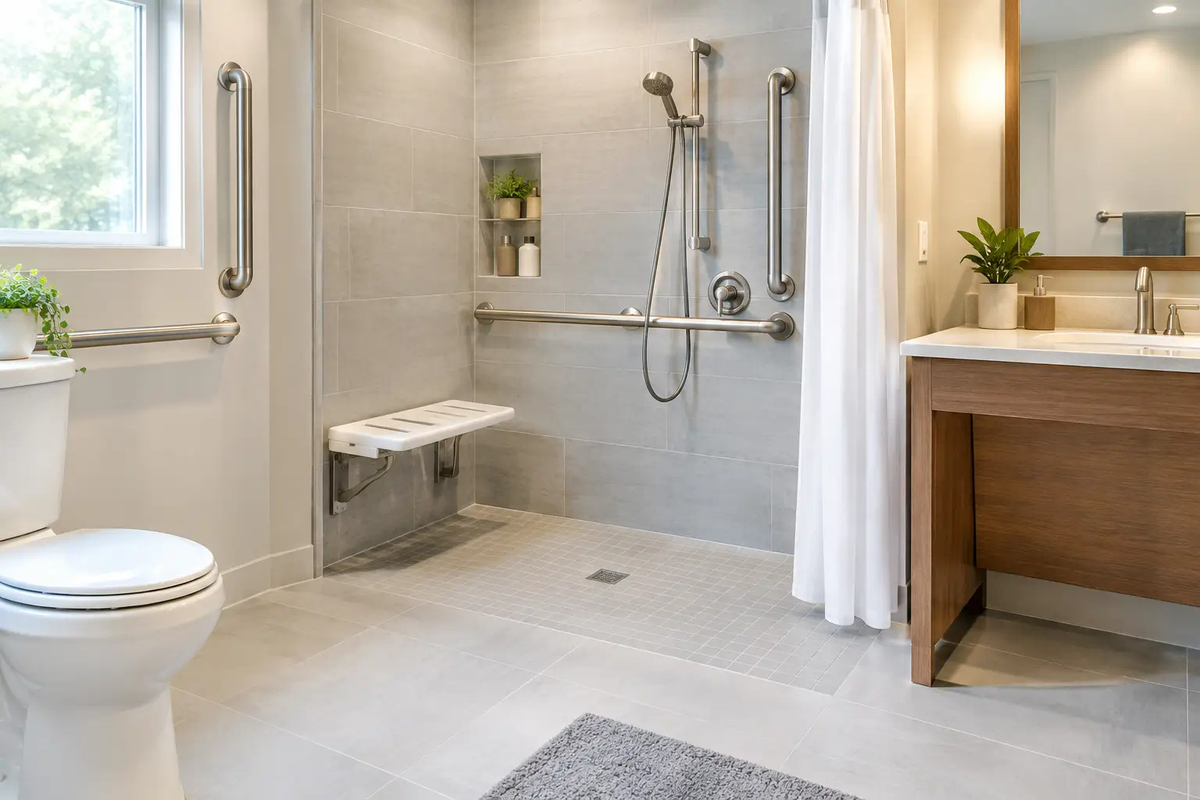
A bathroom can look perfectly fine and still be difficult to use. For many homeowners, the problem is not the room itself. It is the moment they have to lift a leg over a high tub wall, turn around in a tight space, or stay balanced on a wet surface. Accessible bathrooms address those everyday moments with practical changes that make bathing more comfortable and less demanding.
For someone recovering from surgery, managing stiff joints, using a wheelchair, or simply noticing that balance is not what it once was, the right bathing setup can help preserve privacy and independence at home. The goal is not to make a bathroom feel clinical. It is to make a normal routine feel manageable again.
What Makes Accessible Bathrooms Work Better?
An accessible bathroom is designed around how a person actually moves through the space. That can mean less stepping, less twisting, more places to hold on, and a comfortable place to sit while bathing. The best solution depends on the homeowner, the layout, and whether bathing or showering is the bigger concern.
A common starting point is the tub. Traditional tubs require users to step over a tall side wall before they can sit down. That movement can be awkward even for a person who is generally mobile, especially when the floor is wet or when one knee, hip, or ankle is not cooperating.
A sit-in bath changes that process. Instead of climbing over the side of a tub, the user opens a door, steps through a low threshold, sits down, and then closes the door. Secure Bath's sit-in bath uses a 180-degree outswing door with a durable aluminum door and frame. Because the door swings fully outward, the user can sit first rather than trying to balance while stepping into a narrow opening.
That distinction matters. A wide-opening door can make entering and exiting more practical for people who use mobility aids, need caregiver assistance, or simply want more room to move at their own pace.
Why a Sit-In Bath Is Often the Right Choice
Walk-in tubs and sit-in baths are often discussed as senior bathing solutions, but age alone is not the deciding factor. A homeowner may be planning ahead, returning home after a joint procedure, helping a spouse with bathing, or making changes now so another remodel is less likely later.
The defining benefit is seated bathing. Built-in seating allows the user to bathe while sitting comfortably instead of lowering themselves to the bottom of a conventional tub and then having to get back up. Grab bars provide a stable handhold during entry, seating, and exit, while slip-resistant surfaces help improve footing in areas that naturally get wet.
These features do not guarantee that a fall or injury will never happen. They do, however, remove several demanding movements from the bathing routine. For many households, that is the practical meaning behind No Step. No Slip. No Stress.
A sit-in bath can also be a good fit when bathing is preferred over standing under a shower. Some people find a warm soak more comfortable after a long day, while others value optional hydrotherapy features for relaxation. Features should be selected based on comfort and daily habits, not because a brochure says every feature is necessary.
Sit-In Baths vs. Accessible Showers
A walk-in shower, curbless shower, or roll-in shower can be an excellent accessibility improvement in the right home. These options create an open showering area, often with a low or no-threshold entry. They can be especially useful for a wheelchair user who needs space for a shower chair or assistance from a caregiver.
The trade-off is that a shower and a sit-in bath serve different routines. A shower is built around standing or using a shower chair. A sit-in bath is built around seated soaking. If a homeowner strongly prefers baths, a tub-to-shower conversion may solve the entry problem but remove a daily comfort they do not want to give up.
Bathroom size also affects the decision. A roll-in shower may need more open floor area and careful water management. A sit-in bath may fit within the footprint of an existing bathtub, depending on the home and product selected. During an in-home consultation, it is helpful to look at the actual bathroom, not just measurements on paper. Door swings, toilet clearance, plumbing locations, and the path into the room all matter.
Features That Matter in Everyday Use
Not all walk-in tub features carry the same value for every homeowner. The most useful features are usually the ones that make the hardest part of bathing easier.
A low threshold reduces the height someone must step over. Built-in seating means there is no need to lower down to a tub floor. Grab bars give users a reliable place to steady themselves, and slip-resistant flooring can provide better traction than a smooth wet tub surface.
The door deserves close attention as well. Many people focus on the threshold but overlook whether the door arrangement leaves enough room to enter, sit, and exit comfortably. A 180-degree outswing aluminum door and frame can provide generous access and durable everyday operation. It is particularly helpful when limited flexibility, a walker, or a wheelchair makes a smaller inward-opening entry feel restrictive.
Comfort details should not be dismissed as extras. Controls that are easy to reach, a seat that feels secure, and fixtures positioned for seated use can make the difference between a bath that is technically accessible and one that is genuinely pleasant to use.
Planning Before a Bathroom Becomes a Problem
Some homeowners wait until a fall, injury, or major mobility change forces a quick decision. Others prefer to plan once for changing needs. Neither approach is wrong, but planning ahead usually offers more choices and more time to compare them.
For example, a Las Vegas homeowner may be fully independent today but find stepping over a tub increasingly inconvenient. Replacing the tub while the current arrangement is still workable can be less stressful than trying to make a decision during recovery from surgery or while helping an aging parent move in.
Planning ahead is not about assuming mobility will decline. It is about recognizing that a bathroom should support the people who live in the home, through different seasons of life. An accessible bathing solution can also be valuable for visiting family members who have temporary or long-term mobility limitations.
What Affects the Cost of an Accessible Bathing Upgrade?
Walk-in tub costs vary because every bathroom and homeowner need is different. The bath itself is only part of the project. Installation may involve removing the existing tub, adjusting plumbing, updating surrounding wall materials, and addressing electrical requirements for certain features.
The least expensive option is not always the best value if it leaves out the feature that makes entry workable. On the other hand, a homeowner should not pay for upgrades they do not expect to use. A good recommendation starts with straightforward questions: Can you step over the current tub wall comfortably? Do you prefer bathing or showering? Will you use a walker, wheelchair, or caregiver assistance? Is this a long-term home?
Local, owner-led guidance can be especially useful because the recommendation can be based on the bathroom in front of you rather than a one-size-fits-all sales script. A free in-home consultation gives homeowners in Las Vegas, Henderson, and nearby Las Vegas Valley communities a chance to discuss options, layout concerns, and pricing without pressure.
A Better Bathing Routine Starts With the Right Questions
If the current tub has become a chore, it is worth paying attention before it becomes a daily source of frustration. Ask which movement feels hardest: stepping in, sitting down, standing back up, or staying steady on a wet surface. The answer often points clearly toward a sit-in bath, an accessible shower, or a combination of thoughtful modifications.
A well-designed bathroom should help you continue living comfortably in the home you know and enjoy. A conversation with a local accessible bathing specialist can turn that goal into a practical plan built around your space, your routine, and your next chapter.
Questions about walk-in tubs? Ask away
Free in-home consultation: call (702) 789-7780
Get a free quote →